
Listen · 17 min · A sample circle
A teacher and four members go through the passage ayah by ayah, then turn to two questions for your own circle.
The recording is available below. Listen in full or choose a chapter. For recitation alone, use the verses page, where every ayah has its own recitation, and the short read on the overview takes about two minutes.
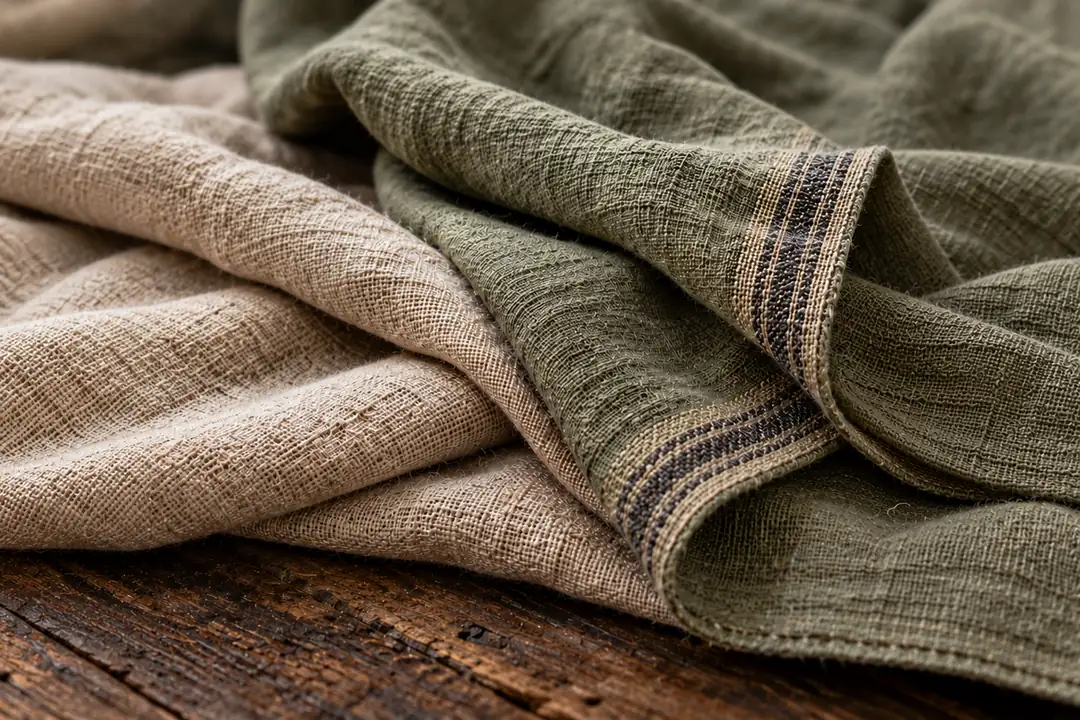
IMATX Halaqa · Al-A‘raf 7:26
What really covers a person?
Chapter 02 · Joining the call
The du'a we
open with
“My Lord, increase me in knowledge.”
Chapter 03 · Where we are
The story turns
to us
Chapter 04 · Al-A‘raf 7:26
Two kinds
of clothing
“But the clothing of righteousness – that is best.”
Chapter 05 · Al-A‘raf 7:27
A warning
from the story
“He sees you, he and his tribe, from where you do not see them.”
Chapter 06 · Al-A‘raf 7:28
“We found our
fathers doing it”
“Do you say about Allah that which you do not know?”
Chapter 07 · Al-A‘raf 7:29
What He does
command
Chapter 08 · Al-A‘raf 7:30
Guided,
or thinking so
“…while they thought that they were guided.”
Chapter 09 · Al-A‘raf 7:31
Adornment,
and enough
“Eat and drink, but be not excessive.”
Chapter 10 · Your questions
Two questions to carry
- Why is the clothing of taqwa harder to care for?
- Where do we say “Islam says” without checking?
Chapter 11 · IMATX Halaqa · Session 04
Start a halaqa in your own circle
Free study pages for this passage
halaqa.imatx.org
Ready to listen
Symbolic images, made with AI · Headings on the picture are editorial summaries; the quoted lines are Saheeh International. Captions under the picture follow the narration, so the briefing also works with the sound off. As the narration stops on an Arabic word, that word appears in the picture; the Arabic words page has all of them in full.
What the briefing covers
- 0:00What is the clothing that is best?
- 0:31Joining the call
- 1:09Where we are
- 1:43Ayah twenty-six - two kinds of clothing
- 4:09Ayah twenty-seven - what he did to your parents
- 6:27Ayah twenty-eight - our fathers did it
- 8:38Ayah twenty-nine - what He does order
- 10:49Ayah thirty - they think they are guided
- 12:37Ayah thirty-one - the masjid and the table
- 14:27Your questions, and two for the discussion
- 16:30Close
Read the transcript
What is the clothing that is best?0:00
Benedict: Before we go out, most of us spend a little time on what to wear. The Qur'an calls clothing a gift from Allah, and then it names a better one: “But the clothing of righteousness, that is best.”
Six ayat, recited by Mishary Rashid Alafasy: about seventeen minutes.
We are students, not scholars. If a question needs a ruling, take it to a scholar you trust.
Assalamu alaikum, and welcome to the IMATX halaqa.
Joining the call0:31
Salma: Assalamu alaikum, Benedict. Assalamu alaikum, everyone.
Yu: Wa alaikum salam, everyone. Alhamdulillah.
Viraj: Wa alaikum salam.
Victor: Wa alaikum salam wa rahmatullahi wa barakatuh.
Benedict: Wa alaikum salam wa rahmatullah, Salma, Yu, Viraj, Victor. It is good to be together. Let us open with the du'a Allah, subhanahu wa ta'ala, tells His Prophet, sallallahu alayhi wa sallam, to say in Surah Ta Ha: my Lord, increase me in knowledge.
Du'a: Ta Ha 20:114 · Mishary Rashid Alafasy.
Wa qul rabbi zidni 'ilma. — And say, “My Lord, increase me in knowledge.”
Victor: Ameen.
Where we are1:09
Benedict: Surah Al-A'raf is a Makkan surah. The previous passage told how Shaytan whispered to Adam and his wife, they ate from the tree, and their clothing fell away. They said, our Lord, we have wronged ourselves, and they were sent down to the earth.
Now the surah turns to their children. Three times in these six ayat Allah calls out, ya bani Adam, O children of Adam. The first two calls are about clothing: what Allah gave, and what Shaytan took away. The third is about the masjid and the table.
Ayah twenty-six - two kinds of clothing1:43
Al-A'raf 7:26 · Recitation: Mishary Rashid Alafasy. Read the verses.
Benedict: Would you read the translation for us, Yu?
Yu: O children of Adam, We have bestowed upon you clothing to conceal your private parts and as adornment. But the clothing of righteousness, that is best. That is from the signs of Allah that perhaps they will remember.
Benedict: Ibn Kathir names two things in this gift. Libas, the clothing that covers the private parts, which he calls a necessity. And rish, the outer adornment worn to look good, which he calls something extra. The word rish comes only here in the whole Qur'an. Lane gives it first as a bird's feathers, its clothing and its ornament.
Viraj: Masha Allah. Can I ask a basic one? Why does the ayah call clothing a sign of Allah? I get dressed every morning without thinking about it.
Benedict: The ayah gives the reason itself: that perhaps they will remember. Something we do every morning without thinking can remind us who gave it.
Salma: And then walibasu t-taqwa, the clothing of taqwa. I never thought of taqwa as something you wear.
Benedict: Lane gives the verb as putting a thing between yourself and another, to preserve yourself. So taqwa is what you put between yourself and harm. The translation's word, righteousness, gives the result and loses the picture. That is why taqwa can be called a clothing. It covers and protects, in a way cloth cannot. Indonesian keeps the word as takwa, and every Jumu'ah khutbah uses it.
Salma: I was reading the tafsir on this. Al-Jalalayn explains the clothing of taqwa as righteous deeds and good character.
Benedict: And Ibn Kathir reports Abd ar-Rahman ibn Zayd: when a person fears Allah, Allah covers his faults.
Yu: The way I understood it, the ayah isn't against looking good. It names the adornment as a gift before it points to something better.
Benedict: That's right. Al-Qurtubi rejects the idea that the clothing of taqwa means wearing coarse clothes: people of knowledge wore fine clothing together with taqwa.
Ayah twenty-seven - what he did to your parents4:09
Al-A'raf 7:27 · Recitation: Mishary Rashid Alafasy. Read the verses.
Benedict: The second call names the one who took the first clothing away. Would you read ayah twenty-seven, Viraj?
Viraj: O children of Adam, let not Satan tempt you as he removed your parents from Paradise, stripping them of their clothing to show them their private parts. Indeed, he sees you, he and his tribe, from where you do not see them. Indeed, We have made the devils allies to those who do not believe.
Salma: La yaftinannakum. In Arabic a fitnah is a trial, something that tests you.
Benedict: Lane gives the root's first picture: putting gold or silver into the fire, to separate the good metal from the bad. So a fitnah is a trial that shows what something is really made of. Careful with Indonesian here. Fitnah there means slander, a false accusation, and that is only one small part of the Arabic word.
Ibn Kathir says Allah warns us by pointing to what Iblis already did: he had Adam put out of the place of ease into the place of hardship, and uncovered what had been hidden. That shows how deep his hatred is.
Viraj: He sees you from where you do not see them. Does that mean nobody can ever see the jinn?
Benedict: Al-Qurtubi reports that the scholars differ. Some took this ayah as proof that the jinn are never seen, and others said they can be seen when Allah wills. Al-Qushayri says Allah has made it the normal pattern that people do not see the devils. What the ayah draws from it is the warning, and its last line: the devils are allies of those who do not believe.
Ayah twenty-eight - our fathers did it6:27
Al-A'raf 7:28 · Recitation: Mishary Rashid Alafasy. Read the verses.
Benedict: Victor, would you read ayah twenty-eight?
Victor: And when they commit an immorality, they say, “We found our fathers doing it, and Allah has ordered us to do it.” Say, “Indeed, Allah does not order immorality. Do you say about Allah that which you do not know?”
Benedict: Now the clothing is taken off by people themselves, and in worship. Ibn Kathir explains that before Islam, Arabs apart from Quraysh would not do tawaf around the Kaaba in clothes they had disobeyed Allah in. They borrowed a garment, and whoever could not went around unclothed. He calls it a practice they invented, following their forefathers, and then claimed was Allah's command.
Salma: Fahishah. We use that word for something shameful, something nobody should do.
Benedict: Its root comes twice in this one ayah. Fahishah, an immorality, is what they did, and al-fahsha, immorality, is what Allah does not order. Saheeh International has immorality both times. So the answer uses the same word as the deed: what they did, Allah never orders.
Yu: There's a narration in Sahih al-Bukhari about how it ended. Abu Bakr sent Abu Hurayrah at Hajj to announce that after this year no idolater will make Hajj, and no one will go around the House unclothed.
Benedict: That was the year before the Farewell Hajj, when the practice ended at the House itself. Notice the two defences in the ayah. The first, we found our fathers doing it, is habit. The second, Allah has ordered us to do it, puts Allah's name on the habit. The ayah answers the second, and then asks: do you say about Allah that which you do not know?
Ayah twenty-nine - what He does order8:38
Al-A'raf 7:29 · Recitation: Mishary Rashid Alafasy. Read the verses.
Benedict: After what Allah does not order, ayah twenty-nine says what He does. Salma, would you read it?
Salma: Say, O Muhammad, “My Lord has ordered justice and that you maintain yourselves in worship of Him at every place or time of prostration, and invoke Him, sincere to Him in religion.” Just as He originated you, you will return to life.
Benedict: Ibn Kathir reads the ayah as two conditions for any good deed to be accepted: that it follows the law the messengers brought, and that it is free of shirk.
Salma: And mukhlisina, sincere. Ikhlas. We say it of something done only for Allah.
Benedict: Lane gives the root as clear and pure, with nothing mixed in: water that has become clear of its cloudiness, butter cleared of its sediment. Indonesian has ikhlas from the same root, and often uses it for letting something go. The ayah's word is about who the deed is for.
Viraj: At the end, just as He originated you, you will return. Return how?
Benedict: Ibn Kathir reports more than one reading. Mujahid, al-Hasan al-Basri and Qatadah: He will bring you back to life, as He created you. Ibn Jarir preferred Ibn Zayd's wording: as He created you at first, so at the end. Ibn Abbas joins it to ayah thirty: people are brought back as they were begun, some guided and some not.
Victor: Kama bada'akum ta'udun. There's a narration in Sahih al-Bukhari. The Prophet, sallallahu alayhi wa sallam, said that people will be gathered barefoot, unclothed and uncircumcised.
Benedict: Ibn Jarir supported his reading with that narration, in the version from Ibn Abbas. In the version from Aishah, she asked whether men and women would then look at each other, and the Prophet answered that the matter will be far too serious for that to concern them.
Ayah thirty - they think they are guided10:49
Al-A'raf 7:30 · Recitation: Mishary Rashid Alafasy. Read the verses.
Benedict: And ayah thirty finishes the sentence. Would you read it, Yu?
Yu: A group of you He guided, and a group deserved to be in error. Indeed, they had taken the devils as allies instead of Allah while they thought that they were guided.
Benedict: Ibn Kathir says Allah gives the reason one group went astray: they took the devils as allies instead of Allah.
Victor: There's a narration in Sahih al-Bukhari. The Prophet, sallallahu alayhi wa sallam, said that every child is born on the fitrah.
Benedict: Ibn Kathir brings it to these ayat. The fitrah is the natural disposition to know Allah, and ayah thirty says what pulls a person away from it.
Salma: And the last word, muhtadun. Hidayah. We ask Allah for it all the time.
Benedict: Muhtadun, those who are guided, from the root of hidayah, which Indonesian keeps as it is. The ayah has just called these people astray, and its last word is what they believe they are. Ibn Jarir called this ayah among the clearest against those who say a person is only held to account once the truth reaches him and he refuses it. These people thought they were guided, and Allah still named them astray.
Yu: Subhanallah. For me, that changes how I ask Allah for hidayah.
Ayah thirty-one - the masjid and the table12:37
Al-A'raf 7:31 · Recitation: Mishary Rashid Alafasy. Read the verses.
Benedict: The third call to the children of Adam. Viraj, would you read it?
Viraj: O children of Adam, take your adornment at every masjid, and eat and drink, but be not excessive. Indeed, He likes not those who commit excess.
Benedict: Sahih Muslim reports from Ibn Abbas that before Islam a woman would go around the House with no clothes on, and then this ayah was revealed: take your adornment at every masjid. Al-Qurtubi says the address is to all people. It covers every masjid and every prayer, because a ruling follows the general wording, not only the event.
Salma: Then wa la tusrifu. Israf. We say it about wasting, using too much.
Benedict: The verb is about going past the limit, and the ayah closes on the same root as a noun: al-musrifin, those who go past it, whom Allah does not love. Ibn Jarir reads it widely: overdoing what is allowed, permitting what is forbidden, or forbidding what is allowed. So the word reaches past the table: it is losing the balance in either direction.
Victor: I was reading Ibn Kathir on this. He reports Ibn Abbas: eat what you wish and wear what you wish, as long as you avoid two things, extravagance and arrogance.
Yu: And there's a narration in at-Tirmidhi. The Prophet, sallallahu alayhi wa sallam, said that a few mouthfuls to keep a person's back upright are enough, and if he must eat more, then a third for his food, a third for his drink and a third for his breath.
Your questions, and two for the discussion14:27
Benedict: We began with the time we spend on what to wear, and an ayah that calls another clothing best. The passage has shown what that clothing is made of: not immorality, which Allah never orders, but justice, worship that is sincerely His, and keeping inside the limit. So both kinds of clothing are ours to look after. We can dress for prayer with care, and give the same care to the clothing of taqwa, the one Allah calls best.
Before we finish, any questions?
Yu: Mine is about every masjid. I pray at work, in a quiet room. Does every masjid include that?
Benedict: The word masjid is the place of prostration, from the root for sujud, so in this ayah it is every place where we make sujud, not only a building. And al-Qurtubi says the ayah covers every masjid and every prayer.
Viraj: Mine is about ayah twenty-six. The translation says bestowed, but in the tafsir I read, We have sent down clothing. How is clothing sent down?
Benedict: Al-Qurtubi gives several explanations. The rain comes down, grows the cotton and flax, and feeds the animals that give wool and hair. Or that Allah created it, which is how al-Jalalayn glosses it: We created for you. Or that He taught us how to make it.
Would you read our first question for the discussion, Yu?
Yu: Ayah 26 names two kinds of clothing. One covers us and makes us look good. The other, the clothing of taqwa, Allah calls best. We spend real time and money on the first kind. What makes it hard to give the same care to the second, and what helps?
Benedict: And Salma, the second.
Salma: Ayah 28 ends with a question: do you say about Allah what you do not know? The people in the ayah had a habit and put Allah's name on it. In ordinary life, where do we most easily say, Islam says, without having checked, and what would help us pause first?
Victor: I'll be thinking about that first one.
Benedict: Bring your own questions about these ayat to your circle, too.
Close16:30
Benedict: Let us end the way the Prophet, sallallahu alayhi wa sallam, ended a gathering. Abu Barza reports he called these words an expiation for what happens in a gathering. Salma, will you?
Salma: Subhanaka Allahumma wa bihamdika, ashhadu an la ilaha illa anta, astaghfiruka wa atubu ilayk.
Benedict: Glory is to You, O Allah, and praise. I bear witness that there is none worthy of worship except You. I seek Your forgiveness, and I repent to You.
Yu: Next session, we go on from ayah thirty-two, which asks who has forbidden the adornment of Allah, in sha Allah.
Viraj: And if you're new to the Qur'an, one ayah is a good place to start. Take it slowly.
Benedict: If you lead a halaqa of your own, the questions and the study notes for this passage are on the halaqa website, for your circle. Jazakumullahu khayran for listening.
Wassalamu alaikum wa rahmatullahi wa barakatuh.